
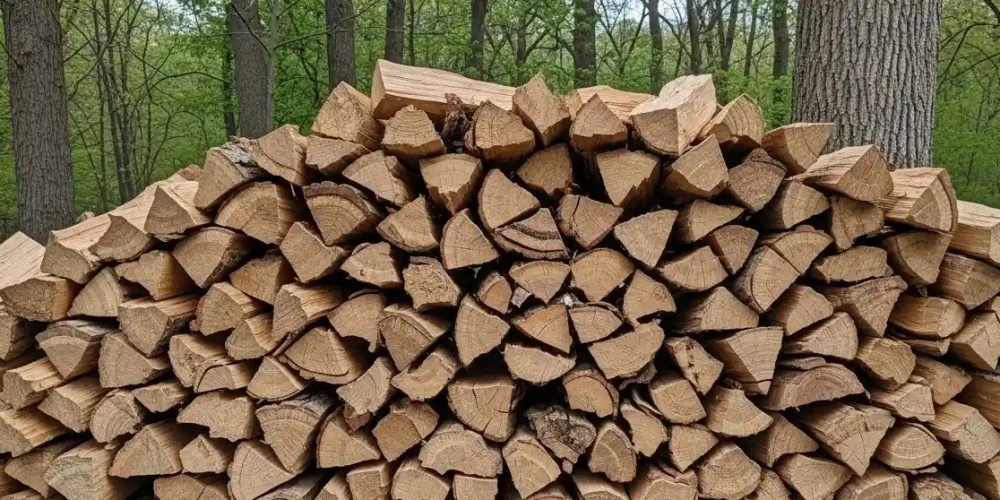
If you’ve been searching for firewood in Wisconsin and wondering, “Is silver maple firewood good?” — you’re not alone. Thousands of homeowners, campers, and fireplace users across Milwaukee and Washington County ask this exact question every season. At 12 Point Farms LLC, we’ve split, seasoned, and delivered more cords of firewood than we can count — and silver maple comes up in conversation constantly.
The short answer? Silver maple firewood is a solid, budget-friendly option — but only when you know how and when to use it. This guide gives you everything you need to make a smart firewood decision this season.
What Is Silver Maple Firewood?
Wood Type & Characteristics
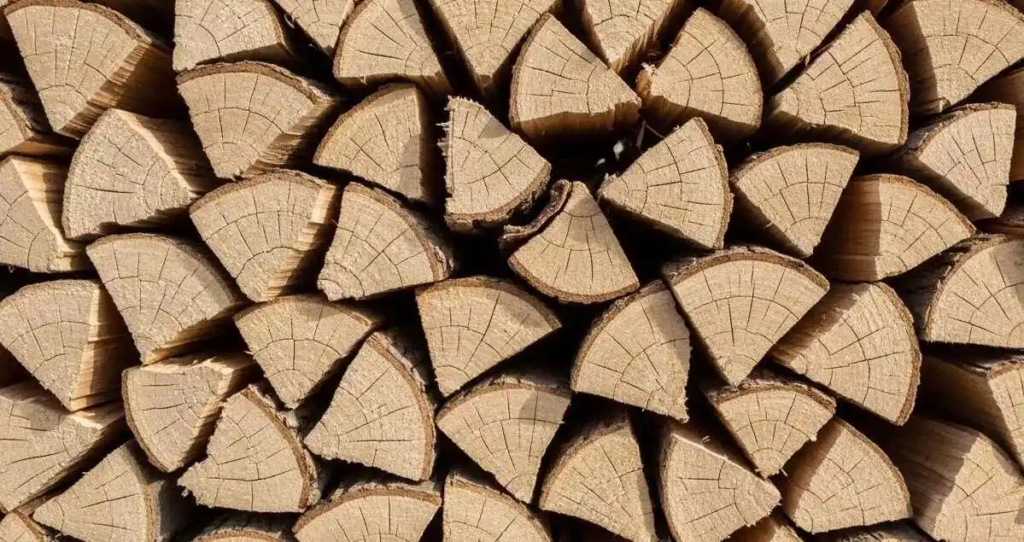
Silver maple (Acer saccharinum) is one of the most common hardwood trees found across the Midwest, including Wisconsin, Illinois, and the Great Lakes region. It grows fast — much faster than most hardwoods — which is why it’s widely available and often more affordable than denser firewood species like oak or hickory.
The wood has a light, creamy grain with a slightly coarse texture. Because of its rapid growth rate, silver maple tends to have a lower density compared to slower-growing hardwoods. That said, it’s still classified as a hardwood, which puts it ahead of softwoods like pine and cedar in terms of heat output and burn quality.
When properly seasoned, silver maple burns cleanly and is easy to work with — making it a practical choice for beginner firewood users and budget-conscious buyers throughout Wisconsin.
Hardness & Density
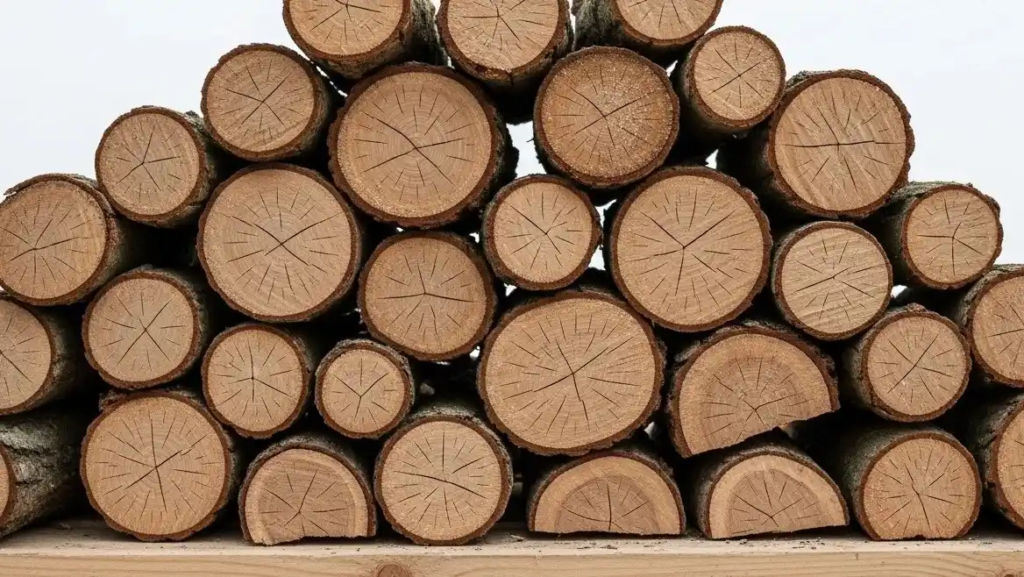
Silver maple has a Janka hardness rating of approximately 700 lbf, compared to red oak at 1,290 lbf and red maple at 950 lbf. This lower density is the core reason silver maple burns faster and produces less heat per cord than denser hardwoods.
However, that lower density also comes with real advantages — it’s easier to split by hand, lighter to carry, and ignites faster than heavier, denser species. For campers, casual fireplace users, and people heating during mild shoulder-season days in Wisconsin, this can be a meaningful benefit.
Heat Output & Burning Performance
BTU Rating
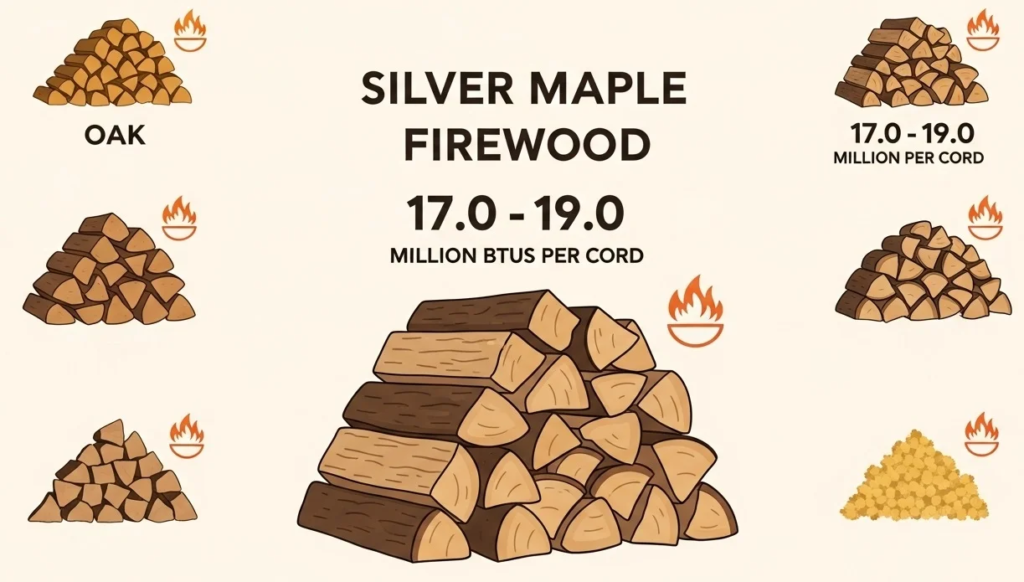
Silver maple firewood produces approximately 17.0–19.0 million BTUs per cord when properly seasoned. For context:
- Red Oak: ~24.6 million BTU/cord
- Red Maple: ~18.6–20.0 million BTU/cord
- White Ash: ~23.6 million BTU/cord
- Silver Maple: ~17.0–19.0 million BTU/cord
- Pine (softwood): ~15.9 million BTU/cord
Silver maple sits above most softwoods but below premium hardwoods. If you’re heating a home through the brutal Wisconsin winter from December through February, a silver maple alone may not be enough. But mixed strategically with denser hardwoods, it performs well.
Burn Time
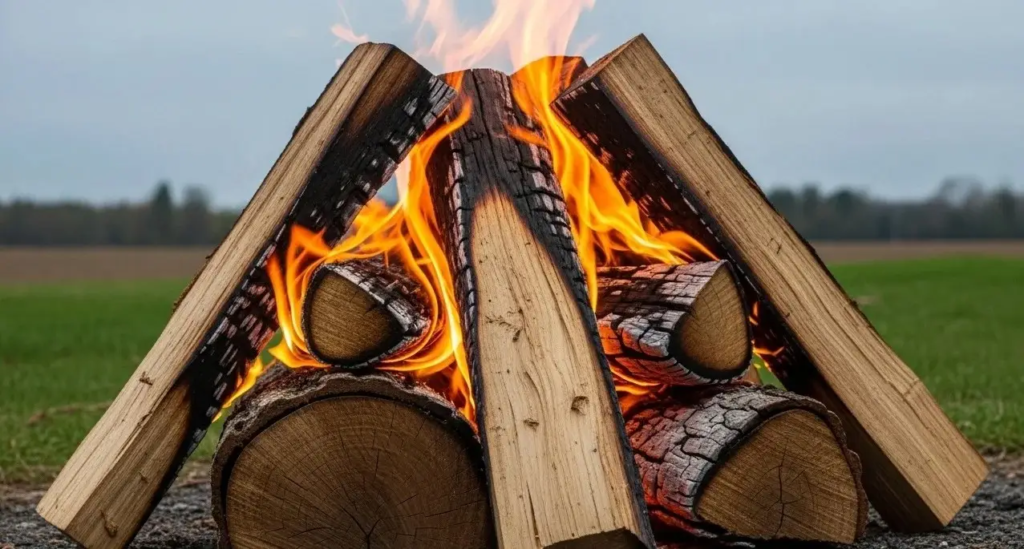
Because of its lower wood density, silver maple burns faster than oak, hickory, or even red maple. A well-seasoned split of silver maple will typically burn out 20–30% faster than a comparable split of oak under the same conditions.
This isn’t necessarily a dealbreaker — it just means you’ll need to feed the fire more frequently. For campfires and fire pits where you want an active, lively flame, this is actually a feature, not a flaw.
Flame Quality
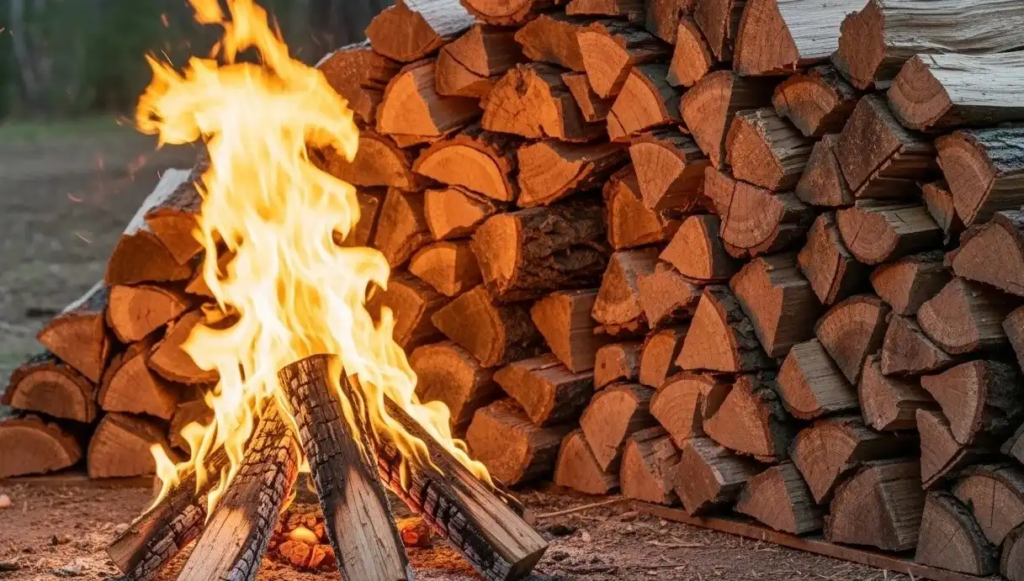
Silver maple produces a bright, warm flame with moderate-to-low smoke output when properly seasoned (moisture content below 20%). Unseasoned or green silver maple, like all green wood, will produce excess smoke, steam, and creosote buildup — which is why proper seasoning is non-negotiable.
At 12 Point Farms LLC, all our silver maple firewood is sold fully seasoned and ready to burn, so you get the best performance from day one.
Pros of Silver Maple Firewood
Easy to Split
Silver maple is one of the easiest hardwoods to split — by hand or machine. Its grain is relatively straight, and the wood doesn’t bind or knot the way elm or locust can. If you’re processing your own firewood or buying rounds to split at home, silver maple is very beginner-friendly.
Quick Ignition
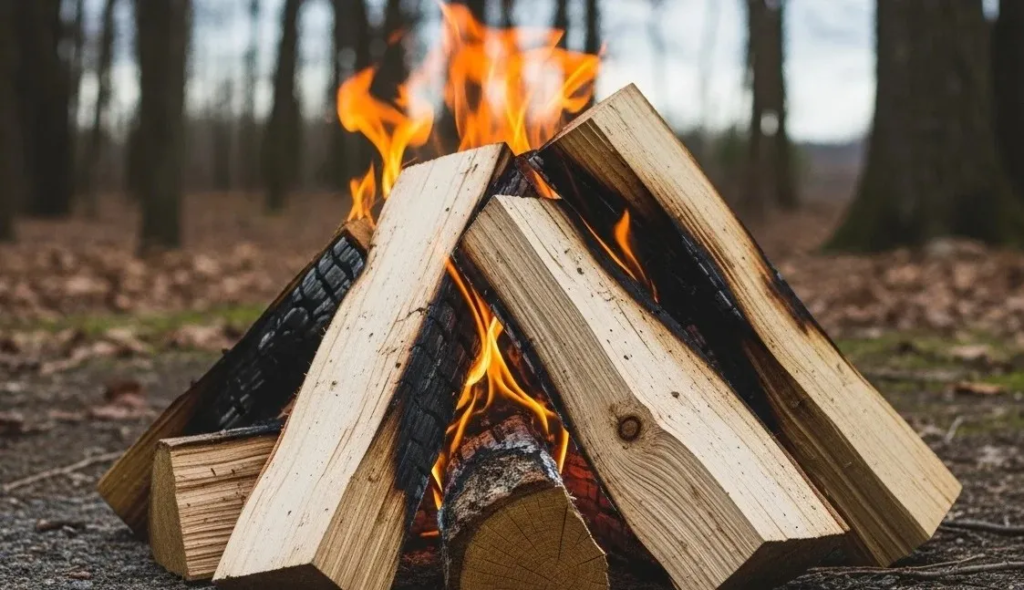
Because of its lower density and open grain structure, silver maple catches fire faster than denser hardwoods. This makes it an excellent “kindling companion” — you can use silver maple splits to get a fire going quickly, then add heavier wood on top for sustained heat.
For campers across Wisconsin and weekend outdoor users, quick ignition means less frustration and more time around the fire.
Widely Available & Affordable
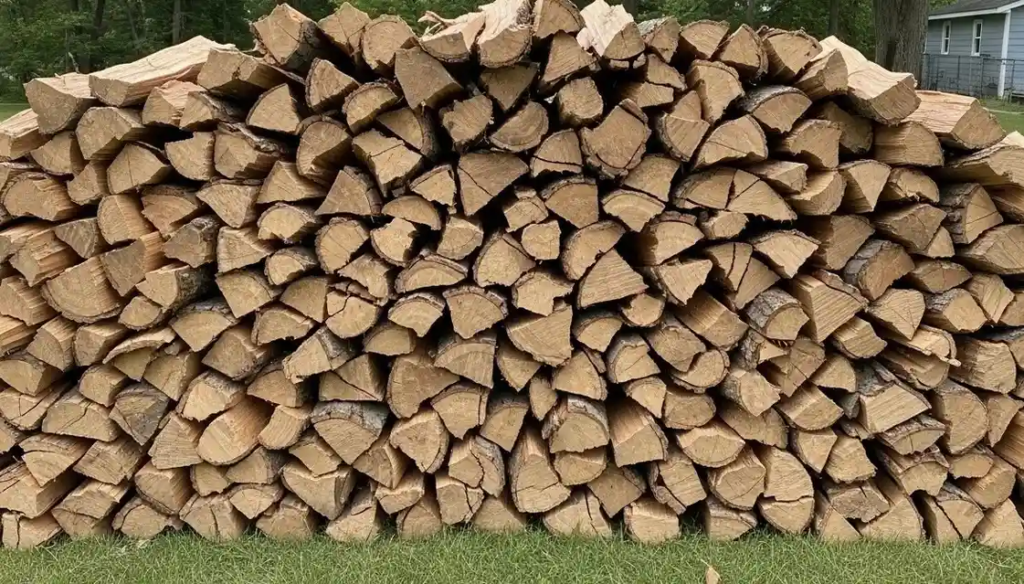
Silver maple is one of the most abundant tree species in the Upper Midwest. That abundance means it’s generally more affordable per cord than premium firewood species like oak, hickory, or cherry. For homeowners and buyers on a budget, silver maple offers genuine value — especially when purchased in bulk from a trusted local supplier.
At 12 Point Farms LLC, we offer competitive pricing on bulk firewood delivery across Milwaukee and Washington County, Wisconsin. Whether you need a half cord or a full truckload, we’ve got you covered.
Cons of Silver Maple Firewood
❌ Burns Fast
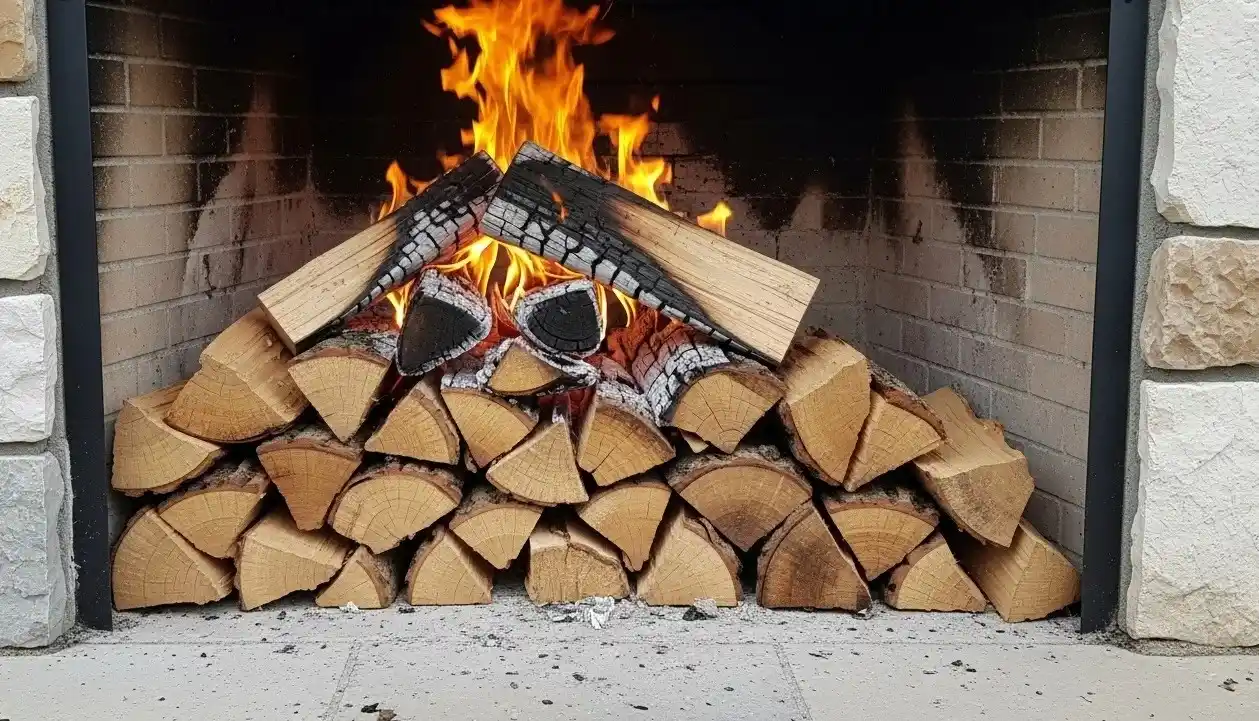
The biggest downside of silver maple firewood is its burn rate. Because it’s less dense than premium hardwoods, it burns through faster. You’ll go through your wood supply more quickly, which can become costly if silver maple is your only heat source through a Wisconsin winter.
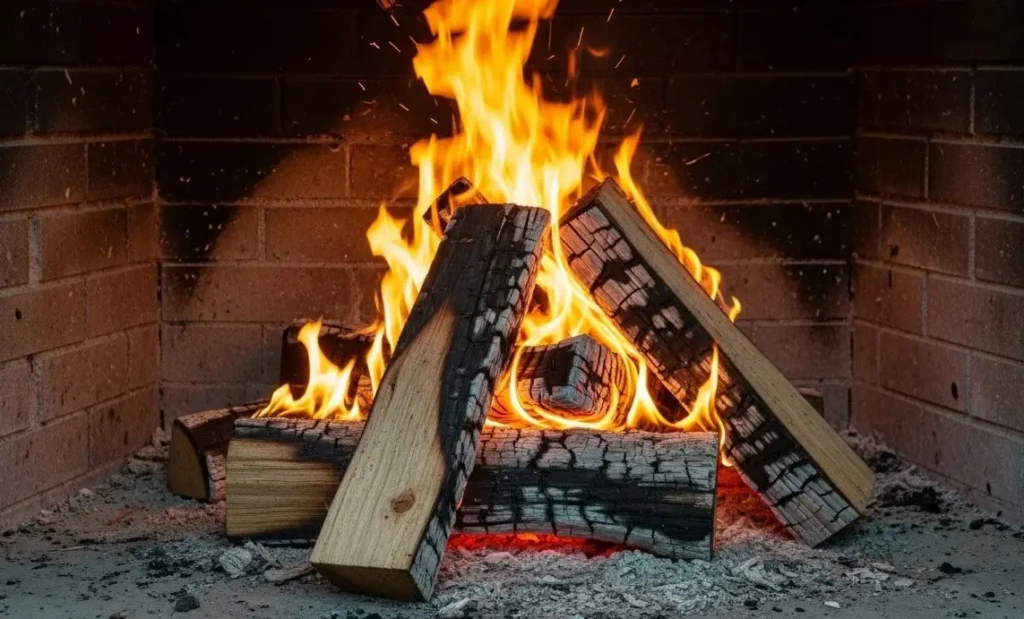
Solution: Mix silver maple with denser woods like oak or ash. Use silver maple to start and maintain the fire, then add oak for long, sustained overnight heat.
❌ Lower Heat Output Than Oak
Silver maple’s ~17–19 million BTU/cord is noticeably lower than oak’s ~24+ million BTU/cord. For a wood stove or fireplace trying to hold steady heat in below-freezing Wisconsin temperatures, this gap matters.
If you’re relying heavily on wood heat, we’d recommend using silver maple as a supplement, not a primary fuel source, during peak winter months.
❌ Not Ideal for Long Winter Nights
If you’re loading a wood stove before bed, hoping the fire lasts through the night, silver maple probably won’t deliver that kind of endurance on its own. For overnight burns in wood stoves, denser hardwoods like oak, black locust, or hickory are far better suited.
Best Uses of Silver Maple Firewood
Silver maple doesn’t have to be your primary firewood — but it’s genuinely excellent when matched to the right situation.
🔥 Campfires
Silver maple is one of the best firewood options for campfires. It lights easily, burns with a bright flame, produces manageable smoke, and creates great coals for cooking. Across Wisconsin’s campgrounds and state parks, it’s a popular choice for weekend campers and outdoor families.
🔥 Shoulder Season Heating (Spring & Fall)
When temperatures drop into the 40s and 50s in Milwaukee and Washington County — the kind of cool-but-not-freezing nights of early October or late April — silver maple is perfectly matched. You don’t need intense heat output. You need warmth, ambiance, and a fire that’s easy to start and manage.
🔥 Outdoor Fire Pits
For backyard fire pit gatherings, silver maple is hard to beat. It’s affordable, widely available, easy to split and carry, and produces a lively, enjoyable flame. The burn rate is less of a concern outdoors, where you’re adding logs regularly and enjoying the experience — not trying to maintain a specific temperature.
Silver Maple vs Other Firewood
Silver Maple vs Oak
| Feature | Silver Maple | Oak |
|---|---|---|
| BTU/Cord | ~17–19M | ~24–26M |
| Burn Time | Moderate | Long |
| Ease of Splitting | Very Easy | Moderate |
| Smoke Level | Low (seasoned) | Low (seasoned) |
| Price | Lower | Higher |
| Best Use | Campfires, shoulder season | Primary heat, overnight burns |
Verdict: Oak is the superior heat producer and better for primary winter heating. Silver maple wins on price, availability, and ease of use.
Silver Maple vs Red Maple
Red maple is slightly denser than silver maple, producing roughly 18.6–20 million BTU/cord compared to silver maple’s 17–19 million BTU/cord. Red maple also tends to split a bit harder. In practical terms, the difference between the two is minor — both are moderate-quality maples that perform best in similar applications.
If you’re choosing between the two, either works well for the same applications. Silver maple is typically more available and often more affordable.
Silver Maple vs Softwood
Silver maple produces notably more heat than common softwoods like pine, fir, or cedar (~14–17 million BTU/cord). Softwoods also tend to produce more resin, more smoke, and more creosote buildup — making them a riskier choice for indoor fireplace and wood stove use.
For indoor burning, silver maple is a meaningfully better option than most softwoods. For outdoor campfires where quick ignition is the priority, high-resin softwoods can actually be useful — but for clean, pleasant indoor fires, stick with silver maple or better.
Should You Buy Silver Maple Firewood?
Here’s the honest answer from the team at 12 Point Farms LLC in Wisconsin:
Yes — if you understand what it’s good for.
Silver maple firewood is an excellent choice if you’re:
- 🔥 A casual fireplace user enjoying evening ambiance
- 🏕️ A camper or outdoor fire pit enthusiast
- 🍂 Heating during mild shoulder-season temperatures
- 💰 A budget-conscious buyer looking for affordable, quality firewood
- 🪓 A beginner who wants easy-to-split, easy-to-burn wood
Silver maple is not the best choice if you’re:
- 🏠 Relying on firewood as your sole heat source through a Wisconsin winter
- 🌙 Loading a wood stove for long overnight burns
- ❄️ Heating a large space during peak cold months in Milwaukee or Washington County
The smart move? Mix it. Buy silver maple for shoulder season and fire pit use, and invest in oak or ash for your heaviest winter heating needs. That’s a strategy our customers use every season, and it works.
Ready to order? Browse our firewood options at 12pointfarms.com/products or contact us for a free estimate on bulk delivery across Milwaukee and Washington County.
Tips for Burning Silver Maple Efficiently
Season It Properly
Green silver maple — freshly cut wood with high moisture content — will smoke heavily, burn poorly, and contribute to creosote buildup in your chimney or flue. Proper seasoning (drying to below 20% moisture content) takes 6–12 months for silver maple, depending on your climate and storage conditions.
Seasoning tips:
- Stack wood off the ground on pallets or rails
- Allow airflow on all sides — don’t pack it against a wall
- Cover the top only — let the sides breathe
- Store in a sunny, wind-exposed location for fastest drying
At 12 Point Farms LLC, our firewood is pre-seasoned and ready to burn — no waiting, no guessing.
Mix Wood Strategy: Get More From Every Cord
The most experienced firewood users in Wisconsin don’t burn just one species. They mix:
- Silver maple is a starter and mid-fire wood (quick ignition, active flame)
- Oak or ash as the primary fuel for sustained heat and overnight burning
- Kindling (small dry splits or fatwood) to get things going fast
This approach lets you stretch your firewood budget — silver maple is often more affordable — while still achieving the heat output and burn duration you need through Wisconsin’s coldest months.
Get Firewood Near You in Wisconsin — From a Name You Can Trust
At 12 Point Farms LLC, we’re proud to be a locally owned firewood supplier serving homeowners, outdoor enthusiasts, and businesses across Wisconsin — including Milwaukee and Washington County. We specialize in properly seasoned, ready-to-burn firewood delivered right to your door.
Whether you’re looking for silver maple, mixed hardwoods, oak, or a custom bulk order, we’re here to help you find the right wood for your specific needs.
Learn more about us or explore our full selection at 12pointfarms.com/products.
📍 Find us on Google: 12 Point Farms LLC on Google Business
📞 Call now for a free estimate — or contact us online and we’ll get back to you fast.
Serving Wisconsin | Milwaukee | Washington County Trusted Firewood Wisconsin supplier — quality wood, fair prices, local service.
Frequently Asked Questions About Silver Maple Firewood
Yes — silver maple is a good firewood for campfires, shoulder-season heating, and outdoor fire pits. It’s easy to split, lights quickly, and burns with a bright flame. However, it has lower heat output than premium hardwoods like oak, so it’s best used as a supplemental or seasonal wood rather than a sole heat source in cold climates.
Silver maple burns faster than denser hardwoods. A well-seasoned split will typically burn 20–30% faster than a comparable oak split. It’s not ideal for long overnight burns in a wood stove, but it works well for active fires where you’re adding wood regularly.
Properly seasoned silver maple firewood produces approximately 17.0 to 19.0 million BTUs per cord — above most softwoods but below premium hardwoods like oak (~24–26M BTU/cord) and hickory (~25M+ BTU/cord).
No — oak produces significantly more heat per cord and burns much longer than silver maple. Oak is the better choice for primary winter heating. Silver maple wins on price, availability, and ease of splitting, making it better for casual use and budget-minded buyers.
When properly seasoned with moisture content below 20%, silver maple produces low-to-moderate smoke — similar to other seasoned hardwoods. Green or unseasoned silver maple will produce heavy smoke and accelerate creosote buildup. Always burn seasoned wood.
Yes — silver maple is one of the easiest hardwoods to split. Its relatively straight grain and lower density make hand-splitting very manageable, making it a great choice for beginners and anyone processing their own firewood.
Yes, you can use properly seasoned silver maple in a wood stove. It will burn cleanly and efficiently when dry. For the best wood stove performance in Wisconsin winters, consider mixing silver maple with denser hardwoods like oak or ash for sustained heat output.
Absolutely. Silver maple is decent firewood — especially considering its affordability and availability. It’s not a premium firewood choice for cold-climate primary heating, but for campfires, fire pits, shoulder-season use, and mixing strategies, it delivers solid value.
The main downsides of silver maple firewood are its faster burn rate, lower BTU output compared to oak or hickory, and the fact that it’s not well-suited for long overnight burns. It’s also more prone to creating excess smoke if not properly seasoned.
Sugar maple is generally considered the best maple for firewood, with a BTU output closer to oak (~24M BTU/cord). Red maple is a close second (~18–20M BTU/cord). Silver maple ranks third among common maples but remains a practical and widely available option — especially for buyers in Wisconsin prioritizing value and availability.
Content written by the firewood experts at 12 Point Farms LLC — your trusted local firewood supplier in Wisconsin. Visit our Firewood Info page for more guides, tips, and resources.