Choosing the Right Firewood for Wood Stove Heating
Firewood for wood stove heating is not just about staying warm. It is about efficiency, safety, and comfort that lasts through the coldest nights. The type of wood you burn directly affects how much heat your stove produces, how clean it burns, and how often you need to reload it. Using the wrong firewood can lead to smoky fires, poor heat output, and creosote buildup that puts your home at risk.
Choosing the right firewood for wood stove use means understanding moisture levels, wood density, and burn time. Well seasoned hardwood creates steady heat, burns cleaner, and turns your wood stove into a reliable source of warmth instead of a constant hassle. When you start with the right firewood, everything else about wood stove heating becomes easier, safer, and far more enjoyable.
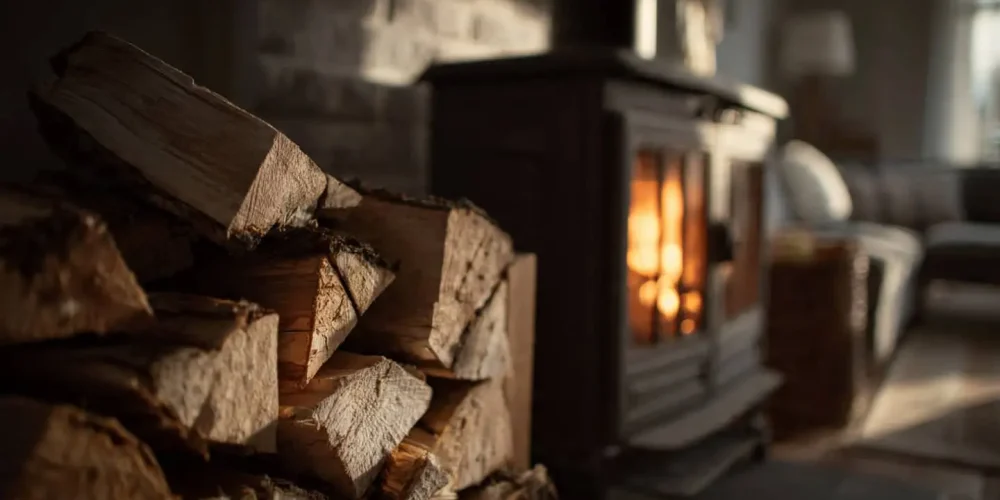
There is something deeply satisfying about a wood stove. It’s more than just a heat source; it’s the heartbeat of a home during the colder months.
But as any seasoned stove owner knows, the quality of your fire is only as good as the wood you feed it.
At 12 Point Farms LLC, we believe that heating with wood shouldn’t be a chore of constant poking, prodding, and smoky living rooms.
It should be efficient, safe, and—above all—cozy. Here is everything you need to know about picking the right fuel for your hearth.
Seasoned vs. Green: Why Patience is a Virtue
If you’ve ever tried to light a fire only to have it hiss, sizzle, and die, you’ve likely met “green” wood.
- Green Firewood is fresh-cut and full of sap and water (sometimes up to 50%!). When you burn it, your stove spends all its energy boiling that water away instead of heating your room. This creates a “cool” fire that leaves thick, dangerous creosote in your chimney.
- Seasoned Firewood is wood that has been split and left to the wind and sun until its moisture drops below 20%. This is the “gold standard” for a clean, hot burn.
How to Check Firewood Dryness
You don’t need a lab to tell if your wood is ready. Look for these signs of high-quality firewood:
- The Sound: Bang two logs together. Ready wood “rings” like a baseball bat; wet wood “thuds” like a piece of clay.
- The Look: Look for deep cracks (called “checks”) in the ends of the logs. The wood should look faded or greyish, not bright and fresh.
- The Weight: Pick it up! Seasoned wood is surprisingly light because the water weight has evaporated.
Top Picks: The Best Wood Types for a Long-Lasting Burn
When you’re looking for the best firewood for a wood stove, you want “hardwoods.” These trees grow slowly, making the wood dense and packed with energy.
| Wood Type | Heat Output | Character | Best For… |
| Oak | Exceptional | The slow burner; very steady. | Overnight heat that lasts until morning. |
| Hickory | The Highest | The “heavyweight champion” of heat. | The coldest nights of the year. |
| Hard Maple | High | Clean-burning and very reliable. | Consistent daily heating. |
| Ash | Medium-High | Low smoke and easy to handle. | A great “all-arounder” for any stove. |
| Birch | Medium | Bright, beautiful flames. | Evening ambiance and quick warmth. |
The Power of Oak and Hickory
If your goal is to wake up to a warm house without having to reload the stove at 3:00 AM, Oak is your best friend.
It takes a long time to season, but it holds a flame longer than almost anything else. If it’s truly freezing outside, Hickory firewood is the powerhouse you want; it produces an intense, coal-rich heat that stays hot for hours.
Firewood for Wood Stove Selection Tips for a Stress-Free Winter
Managing a wood stove is a bit of a craft. Here are a few firewood selection tips we’ve learned over the years at the farm:
- Mix Your Species: Don’t be afraid to mix it up. Start your fire with a little “soft” wood (like Pine or Cedar) to get the temperature up quickly, then switch to your heavy hardwoods to lock in that long-term heat.
- Airflow is Everything: When stacking your stove, don’t pack the logs too tightly. Fire needs to breathe! Leave enough space for oxygen to move between the logs.
- Store it Right: Keep your wood off the ground and covered on top, but leave the sides open. This allows the air to keep the wood dry and ready for the hearth.
Firewood for Wood Stove Safety and Lasting Comfort
Beyond the warmth, we care about your home’s safety. Burning the right firewood for wood stoves reduces the risk of chimney fires.
A Friendly Reminder: Never burn “treated” wood, old pallets, or trash. These can release nasty chemicals into your home and create a waxy buildup in your flue that is a nightmare to clean.
A clean-burning fire starts with high-quality, dry wood. When you choose the right logs, you spend less time cleaning your glass door and more time enjoying the glow.
Ready for a Warmer Winter?
At 12 Point Farms LLC, we take pride in helping our community stay warm the right way. Choosing the best wood types for long-lasting burn doesn’t just save you money—it makes your home the most comfortable place to be when the snow starts to fall.