Kiln Dried Firewood: A Complete Homeowner’s Guide
If you’ve ever fought with a fire that won’t catch, filled a room with smoke, or watched a “seasoned” log hiss and sputter instead of burn, the problem usually traces back to one thing: moisture. Kiln dried firewood is one of the more reliable answers to that problem, but most homeowners have questions before they’re ready to commit to it — what it actually is, how it’s made, whether it’s worth the difference in price, and how it performs in their specific fireplace, stove, or fire pit.
This guide walks through all of it: what kiln dried firewood is, how it compares to seasoned and green wood, which wood species behave differently, how to store and burn it correctly, and how to troubleshoot the most common firewood problems homeowners run into. By the end, you’ll be able to tell the difference between properly dried wood and wood that only looks dry — and know exactly what to look for no matter where you buy it.
What Is Kiln Dried Firewood?
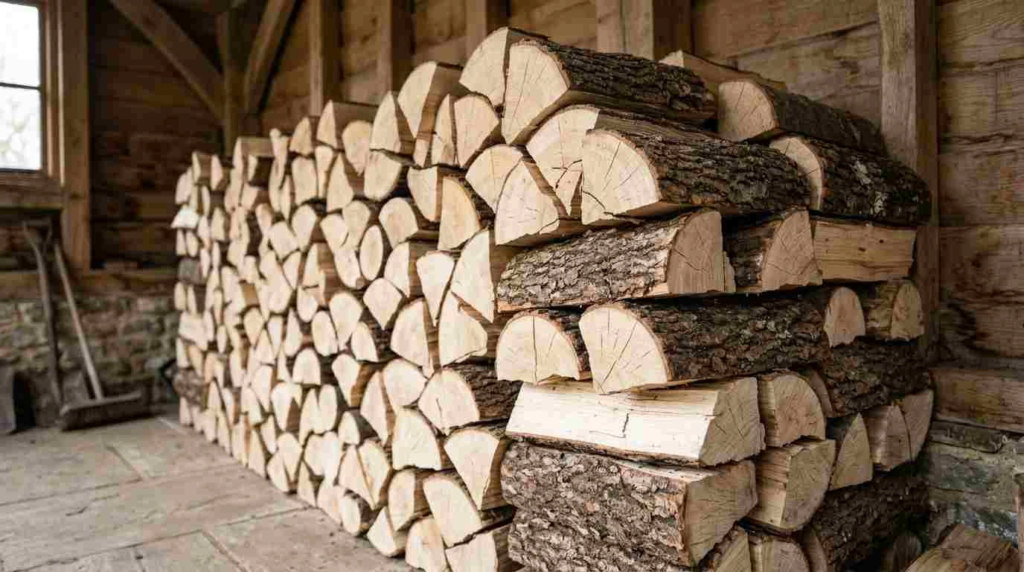
Kiln dried firewood is wood that has had its moisture driven out in a controlled-heat kiln, rather than being left outdoors to air-dry over several months or seasons. The wood is loaded into a large heated chamber where temperature, airflow, and drying time are managed to pull moisture out of the wood evenly — from the core outward, not just off the surface.
The result is firewood with a moisture content that’s typically brought below 20%, which is the general threshold most fireplace and wood stove manufacturers point to for efficient, cleaner-burning wood. Unlike air-drying, which depends heavily on weather, wood species, and how the logs were stacked, kiln drying gives a much more consistent, predictable outcome batch to batch.
It’s worth being clear about one thing: kiln drying is a process, not a wood species or a brand name. Oak, maple, birch, hickory, and mixed hardwoods can all be kiln dried — the kiln just accelerates and controls the drying that would otherwise happen slowly outdoors.
How Is Kiln Dried Firewood Made?
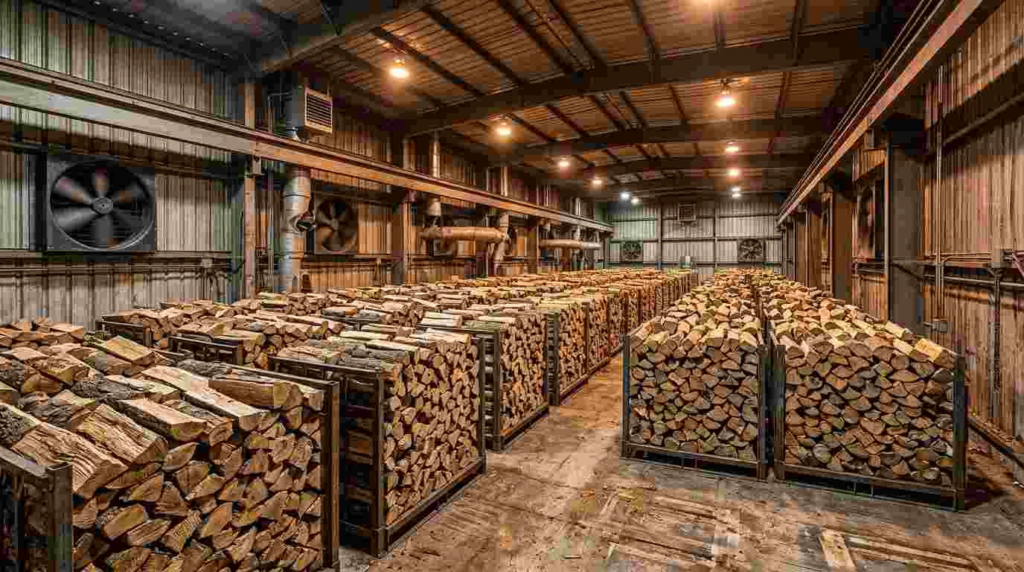
The process generally follows a few consistent steps, though exact times and temperatures vary by operation and wood species:
- Splitting — Logs are cut and split to a manageable, consistent size, since smaller, more uniform pieces dry faster and more evenly than large rounds.
- Loading the kiln — Split wood is stacked or bundled and loaded into a heated chamber built specifically for drying lumber or firewood.
- Controlled heating — The kiln raises the internal temperature over a set period, driving moisture out of the wood fibers as steam.
- Moisture monitoring — Operators typically check moisture levels with a moisture meter throughout the cycle to confirm the wood has reached the target range before it’s pulled.
- Cooling and staging — Once dried, the wood is cooled and staged for splitting into final sizes, bundling, or delivery.
A full kiln-drying cycle typically takes anywhere from a day to several days, depending on the kiln, the wood species, and the starting moisture content — a fraction of the months (often 6–12) that natural air-seasoning requires.
Why Does Firewood Moisture Content Matter?
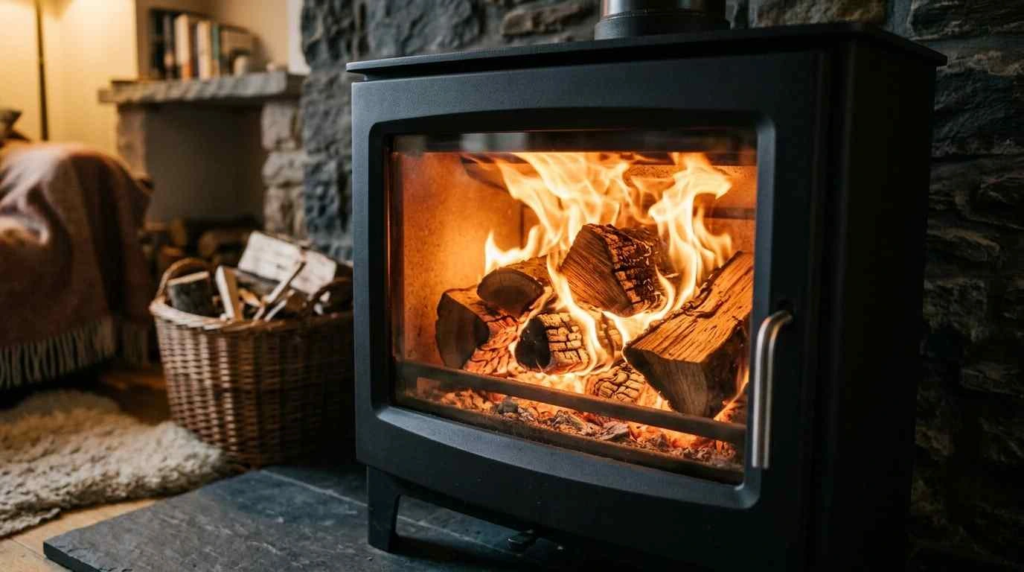
Moisture content is the single biggest factor in how well firewood burns. Wood that’s still holding a lot of water has to spend a portion of every fire’s heat just boiling that moisture off before it can actually combust — which is why wet or “green” wood hisses, smokes heavily, and struggles to stay lit.
Here’s what happens as moisture content drops:
- Ignition gets easier. Less energy is wasted evaporating water, so a flame catches and holds faster.
- More heat reaches the room. Energy that would’ve gone into boiling off moisture goes into producing usable heat instead.
- Smoke production drops. Excess moisture is a major contributor to visible smoke and the sooty odor that comes with a poorly burning fire.
- Creosote buildup slows. Cooler, smokier fires deposit more creosote in a chimney or stovepipe over time; drier wood that burns hotter and cleaner reduces that buildup.
Most fireplace and wood stove manufacturers recommend firewood at or below roughly 20% moisture content for efficient combustion, though the ideal number can vary slightly by appliance. A simple pin-style moisture meter, pressed into a freshly split face of the log (not the weathered outer surface), is the most reliable way to check where your wood actually stands — surface dryness alone can be misleading.
Kiln-Dried vs. Seasoned vs. Green Firewood
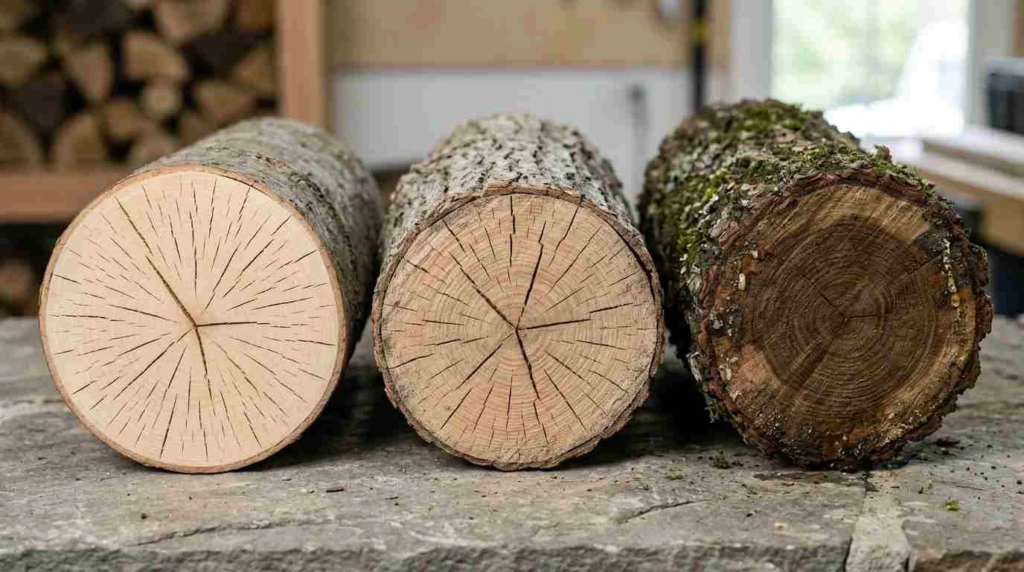
All three categories of firewood can technically burn, but they behave very differently at the fire. Here’s how they compare on the criteria that actually matter to a homeowner:
| Criteria | Kiln-Dried Firewood | Seasoned (Air-Dried) Firewood | Green Firewood |
|---|---|---|---|
| Drying method | Controlled kiln heat, days | Outdoor air-drying, 6–12+ months | Not dried; freshly cut |
| Typical moisture content | Below 20% | Roughly 20–25%, depending on species and season | 40–60% or higher |
| Ease of lighting | Easiest | Moderate, if fully seasoned | Difficult |
| Heat output | High, consistent | Good once properly seasoned | Low; energy lost to moisture |
| Smoke | Lowest | Low to moderate | Heavy |
| Consistency batch to batch | Very consistent | Varies with weather and stack | Varies widely |
| Best suited for | Fireplaces, wood stoves, cooking | Fire pits, campfires, casual outdoor burning | Not recommended for burning as-is |
A few honest caveats: properly seasoned firewood that’s had a full 6–12 months of good airflow can burn nearly as well as kiln dried wood — the difference is that seasoning quality is harder to verify from the outside, and it depends on weather, storage, and wood species. Green firewood isn’t “bad” wood, it simply hasn’t had time to dry and generally shouldn’t be burned until it has, regardless of drying method.
In short: kiln dried firewood tends to be the more dependable choice when moisture content really matters — indoor heating appliances, cooking, or situations where you don’t want to gamble on how well a stack actually seasoned. For casual outdoor fires, well-seasoned wood is often a perfectly good, lower-cost option.
What Are the Benefits of Kiln Dried Firewood?
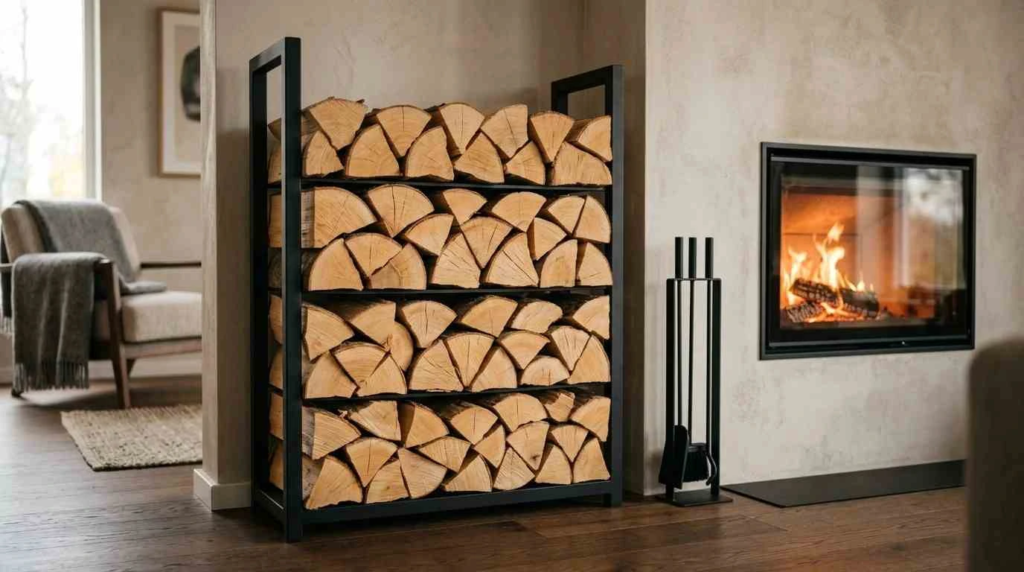
Pulling the comparison above into a direct answer: kiln dried firewood’s main advantages come down to consistency and reduced guesswork.
- Faster, more reliable ignition — less kindling and fewer false starts
- More consistent heat output from log to log and batch to batch
- Lower smoke production, which matters both indoors and for anyone nearby outdoors
- Reduced creosote accumulation in chimneys and stovepipes over a heating season
- Fewer pests and less mold, since the drying process and lower moisture make firewood less hospitable to insects and fungal growth
- Lighter to handle and stack than green or partially seasoned wood of the same size
None of this means kiln drying is the only path to good firewood — properly seasoned wood offers real benefits too, particularly cost. But if you want dried wood without relying on how well last year’s stack happened to season, kiln drying removes most of that uncertainty.
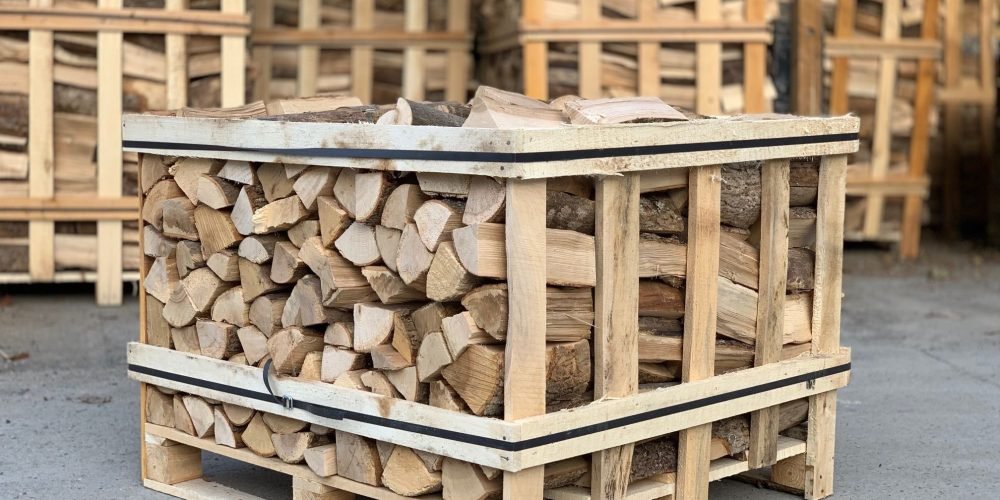
Curious what moisture-tested kiln dried firewood looks like in practice?
Is Kiln Dried Firewood Better for Fireplaces?
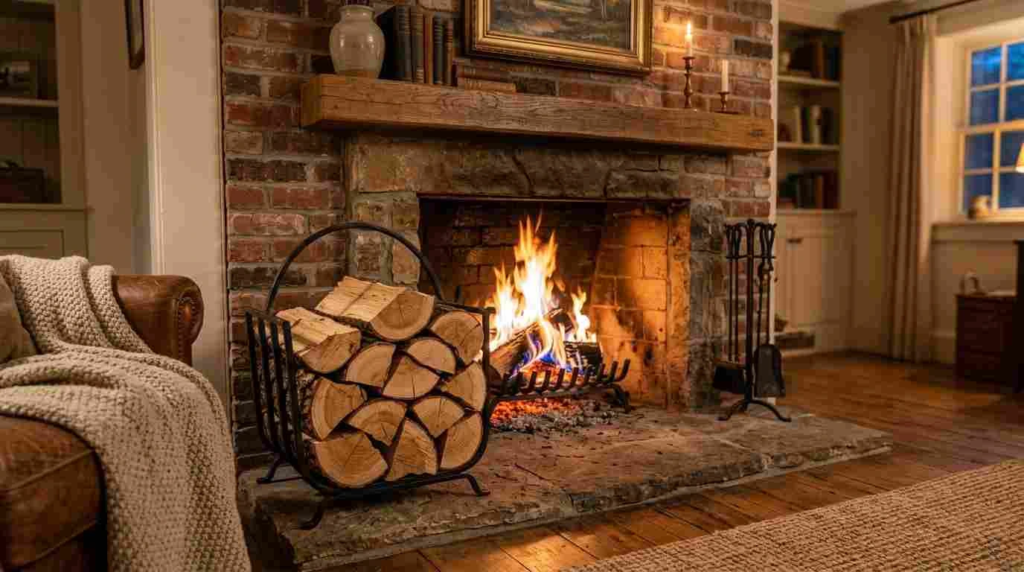
Yes, in most cases — kiln dried firewood is well suited to indoor fireplaces because low, consistent moisture content directly reduces smoke and creosote inside your home and flue. An indoor fireplace is exactly the setting where moisture content matters most: you’re burning in an enclosed space, often with less airflow control than an outdoor fire, and any smoke or creosote buildup has a more immediate impact on both air quality and chimney maintenance.
For fireplace use specifically:
- Choose properly sized splits — oversized logs are harder to get burning fully even when dry
- Build a small, well-ventilated base fire before loading larger pieces
- Dense hardwoods like oak generally produce longer, steadier fireplace fires than softer woods
Is Kiln Dried Firewood Good for Wood Stoves?
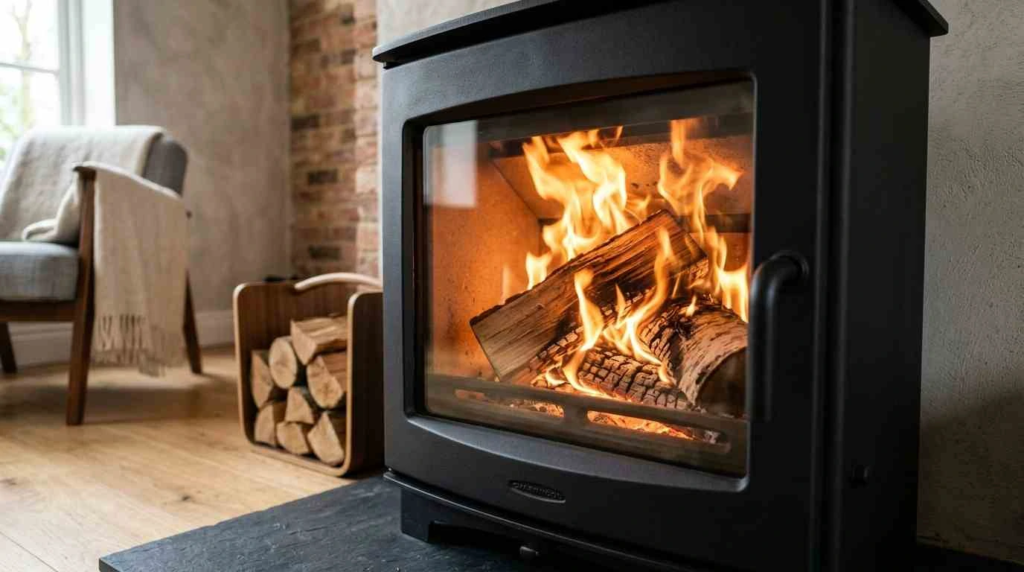
Yes — wood stoves are often the appliance where moisture content matters most of all, since modern EPA-certified stoves are designed around efficient combustion of properly dried wood. Wet wood in a wood stove doesn’t just burn poorly; it can also lead to incomplete combustion, more visible stack smoke, and faster creosote buildup in a closed system that’s harder to inspect than an open fireplace.
For wood stove efficiency:
- Confirm your stove manufacturer’s recommended moisture range and log length
- Load wood loosely enough to allow airflow around each piece
- Avoid overloading the firebox, which can smother a fire and cause smoldering rather than clean combustion
Not sure how much you’d need for a heating season? Request a free quote and we’ll help you figure out the right amount.
Is Kiln Dried Firewood Suitable for Fire Pits?
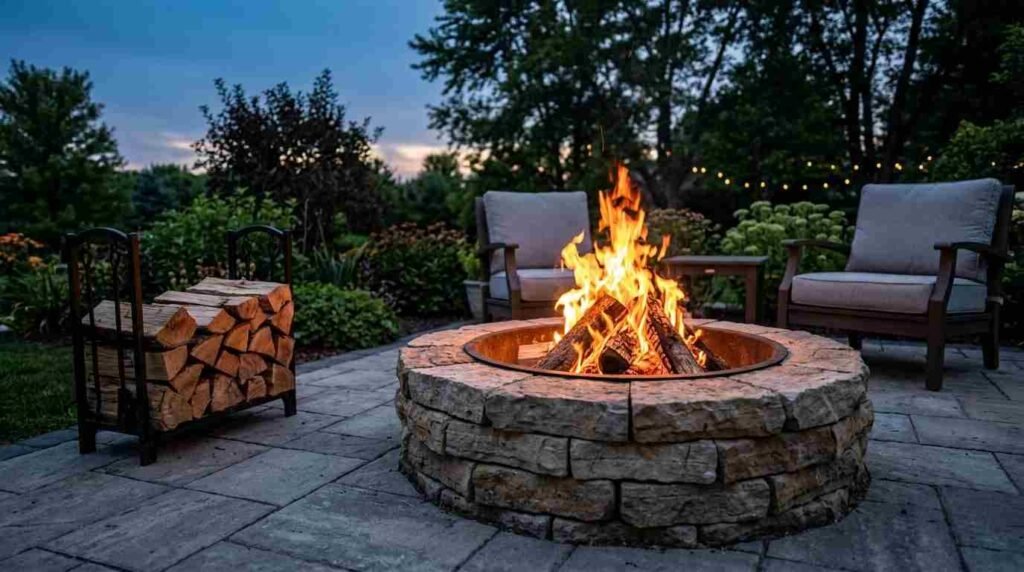
Yes, kiln dried firewood works well in outdoor fire pits — it lights quickly and produces less smoke around guests — though moisture content is less critical outdoors than it is inside a chimney. Because outdoor fires have much more open airflow and no enclosed flue to protect, well-seasoned firewood is often a perfectly good and typically more budget-friendly choice for casual fire pit nights, bonfires, and backyard gatherings.
Where kiln dried wood tends to earn its keep outdoors is when smoke matters more than usual — around guests, near a patio seating area, or anywhere you want a cleaner-smelling, less eye-watering fire.
Can You Use Kiln Dried Firewood for Cooking?
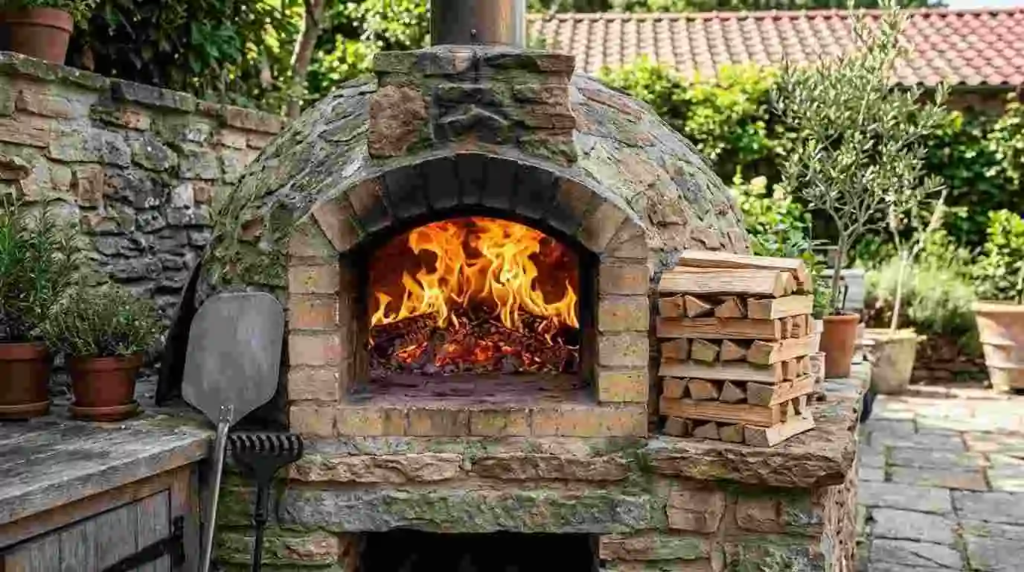
Yes — kiln dried firewood is a strong choice for wood-fired cooking because its clean, predictable burn avoids the unpredictable flare-ups and heavy, resinous smoke that green or partially seasoned wood can produce. For pizza ovens, grilling, and general outdoor cooking, hardwoods like oak and maple burn hot and steady with a mild smoke character rather than an overpowering one.
A few practical notes for cooking specifically:
- Use only clean, untreated firewood — never painted, chemically treated, or construction-scrap wood
- Smaller, uniform splits are easier to manage in a pizza oven or smoker firebox than oversized fireplace logs
- For low-and-slow smoking, dry hardwood burns more predictably, which makes it easier to hold a steady cooking temperature
Cooking or smoking with wood regularly? Ask us about split sizes suited to pizza ovens and smokers.
Which Wood Species Are Commonly Kiln Dried?
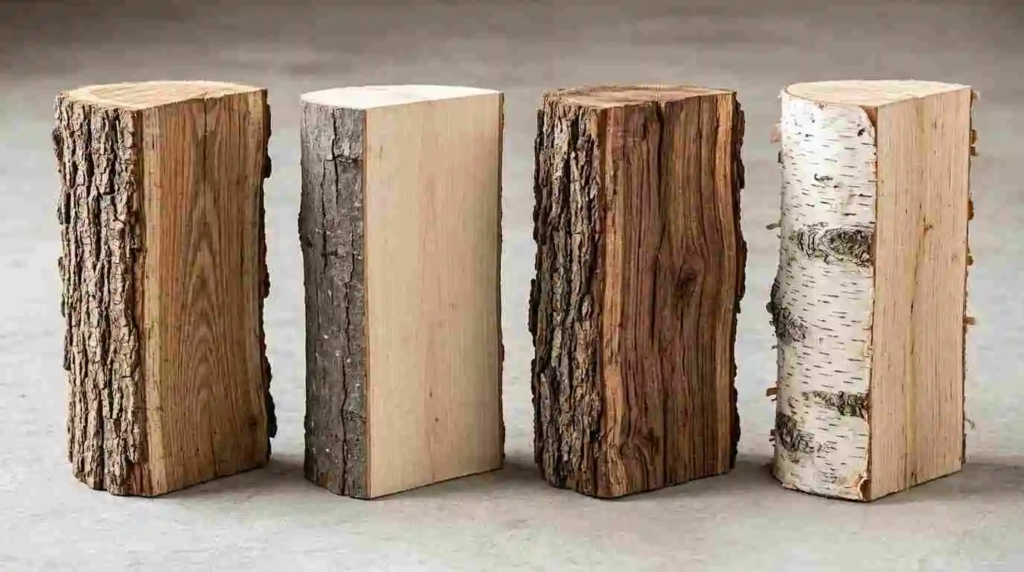
Kiln drying works on virtually any hardwood species — it’s the drying method, not the type of tree, that defines “kiln dried.” That said, some species are more commonly kiln dried and sold for home heating and cooking because of how they perform once dry:
- Oak — Dense and slow-burning, oak is generally prized for long, steady heat output and is a common choice for both fireplaces and wood stoves.
- Maple — Burns with a bright, clean flame and a milder aroma than some other hardwoods, making it popular for both heating and cooking applications.
- Hickory — Very dense with high heat output; often associated with cooking and smoking because of its distinct flavor profile, though it also performs well for home heating.
- Birch — Lights easily and burns hot, though generally faster than denser hardwoods like oak — often used as a supplement to denser species rather than a sole heat source.
- Mixed hardwood blends — A combination of locally available hardwoods, offering a balance of ignition ease and burn duration without relying on a single species.
Density is the main factor separating these species in practice: denser woods (oak, hickory) generally burn longer and produce more lasting coals, while lighter woods (birch, some maples) tend to catch faster but burn through more quickly. Neither is universally “better” — the right choice depends on whether you’re prioritizing a long, steady burn or an easy, fast-lighting fire.
How Long Does Kiln Dried Firewood Burn?
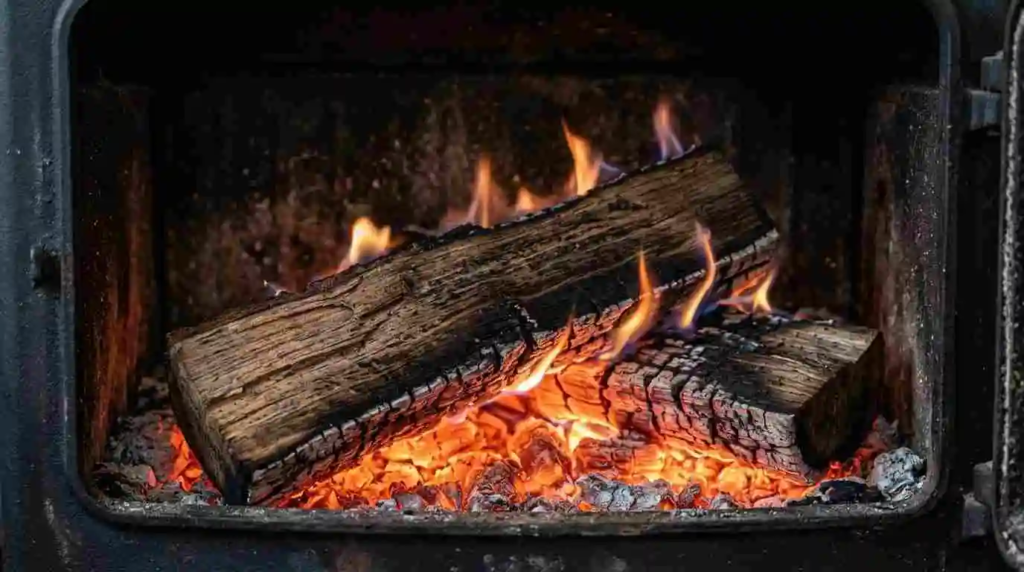
Burn time depends more on wood species, log size, and airflow than on drying method alone, since kiln drying and air seasoning both aim for the same low moisture target. As a general guide:
- Dense hardwoods (oak, hickory) typically burn the longest and leave a solid coal bed, often 3–5+ hours per load in a well-managed stove or fireplace
- Medium-density hardwoods (maple) fall in the middle, offering a good balance of ignition ease and burn duration
- Lighter woods (birch, softer hardwoods) tend to burn hotter initially but burn through faster, making them well suited for kindling or supplementing denser species
Log size and how tightly a fire is loaded also affect burn time significantly — smaller splits catch faster but burn through quicker, while larger splits take longer to establish but sustain a fire longer once fully lit.
How to Store Kiln Dried Firewood Properly
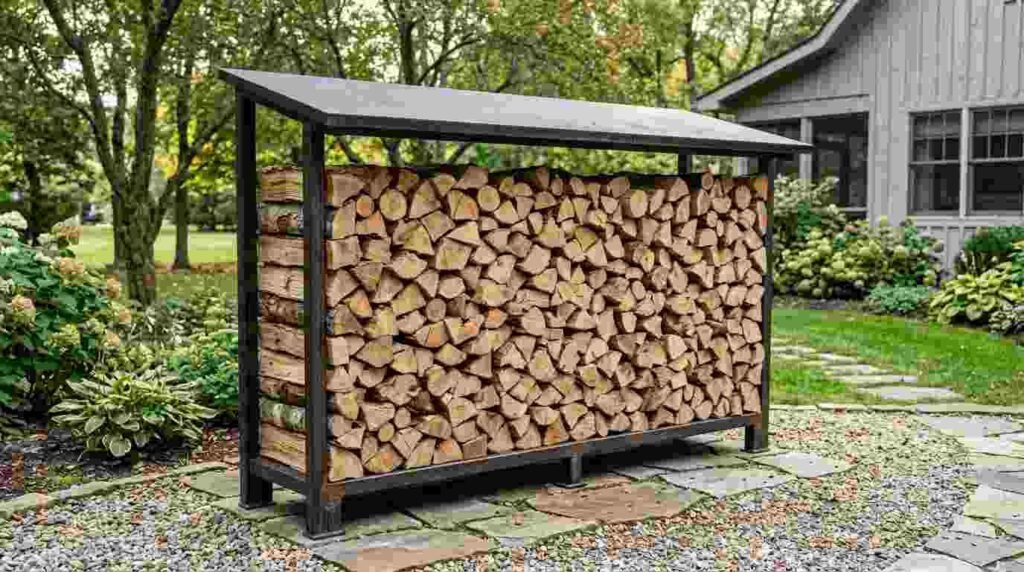
Kiln dried firewood arrives dry, but that advantage only lasts as long as it’s stored correctly. Improper storage can undo weeks of drying in a matter of days.
Do:
- Keep firewood elevated off the ground on a rack, pallet, or raised platform to avoid ground moisture wicking upward
- Cover the top of the stack to block rain and snow
- Leave the sides of the stack open so air can circulate freely
- Stack with some airflow between rows rather than packing logs in tightly
- Store firewood reasonably close to where it’ll be burned, but keep large indoor stockpiles to a minimum to avoid introducing pests into the home
Avoid:
- Fully wrapping a stack in a tarp with no ventilation — this traps humidity against the wood and can undo the drying you already paid for
- Stacking directly on soil or grass
- Storing firewood against the exterior wall of a home for extended periods, which can invite pests toward the structure
Stored correctly, kiln dried firewood can hold its low moisture content for months, even through a full heating season.
Have questions about storage, delivery, or how much to order? Contact us or visit the homepage to explore your options.
How to Burn Kiln Dried Firewood More Efficiently
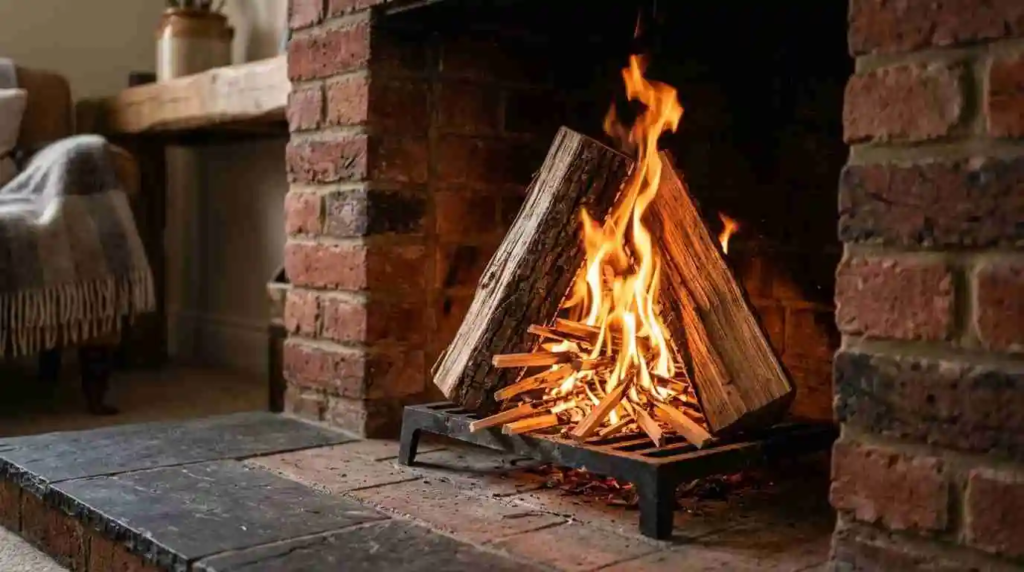
Even properly dried wood can burn inefficiently with the wrong technique. A few fundamentals apply across fireplaces, wood stoves, and fire pits:
- Start with dry kindling — even the best logs need smaller material to establish a base flame
- Choose appropriately sized splits for your appliance — oversized logs are harder to fully ignite
- Build in airflow from the start — a loosely stacked fire lights and burns more evenly than a tightly packed one
- Avoid overloading the fireplace or stove firebox, which restricts airflow and can cause smoldering instead of clean combustion
- Add logs based on the fire’s condition, not on a fixed schedule — wait for a solid coal bed before reloading
- Watch for smoldering, which signals restricted airflow rather than a fuel problem, and adjust dampers or spacing accordingly
Always follow your specific fireplace or wood stove manufacturer’s instructions, since airflow controls, damper settings, and safe loading amounts vary by appliance.
Common Kiln Dried Firewood Problems and How to Solve Them
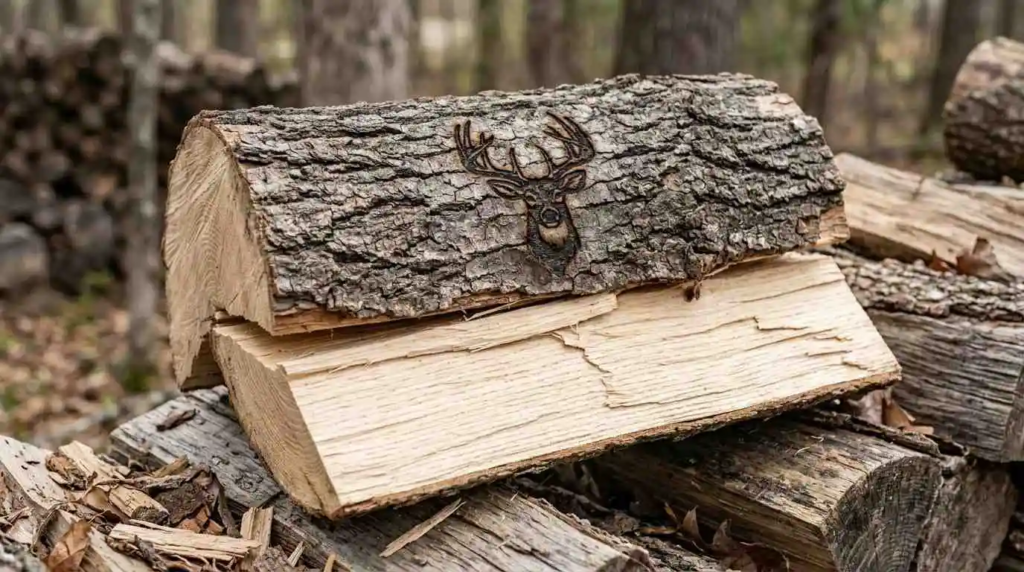
Even dry wood can burn poorly if something else in the setup is off. Here’s how to troubleshoot the most common complaints.
“My firewood is difficult to light.” This is usually a kindling, airflow, or log-size issue rather than a moisture one if the wood is genuinely kiln dried. Check that you’re using enough dry kindling, that the logs aren’t oversized for the fire’s current stage, and that air can move freely around the base of the fire.
“My fire produces too much smoke.” Smoke is most often tied to moisture, restricted airflow, or a weak chimney/fireplace draft. If the wood is properly dried, look at airflow — a smothered fire smokes even with good fuel. A cold flue can also cause an initial smoky start; a brief “priming” burn with kindling can help establish draft.
“My firewood burns too quickly.” This is typically a species and size issue rather than a drying one. Lighter woods and smaller splits burn through faster than dense hardwoods in larger pieces. Mixing in denser wood, or using larger splits once a fire is established, extends burn time.
“My wood seems dry but still burns poorly.” Surface dryness doesn’t guarantee low internal moisture — a log can look weathered and gray on the outside while still holding water inside. Split a piece open and test the freshly exposed face with a moisture meter rather than relying on appearance. Poor storage, oversized rounds, or inadequate airflow to the fire can all cause this too.
“My kiln-dried wood got wet.” Rain or high humidity exposure can raise moisture content back up, even for wood that was properly kiln dried. Move it to covered, ventilated storage as soon as possible, and give it time with good airflow to dry back out before burning. This is exactly why top-covered, open-sided storage matters more than a fully sealed tarp.
How to Tell If Firewood Is Properly Dried
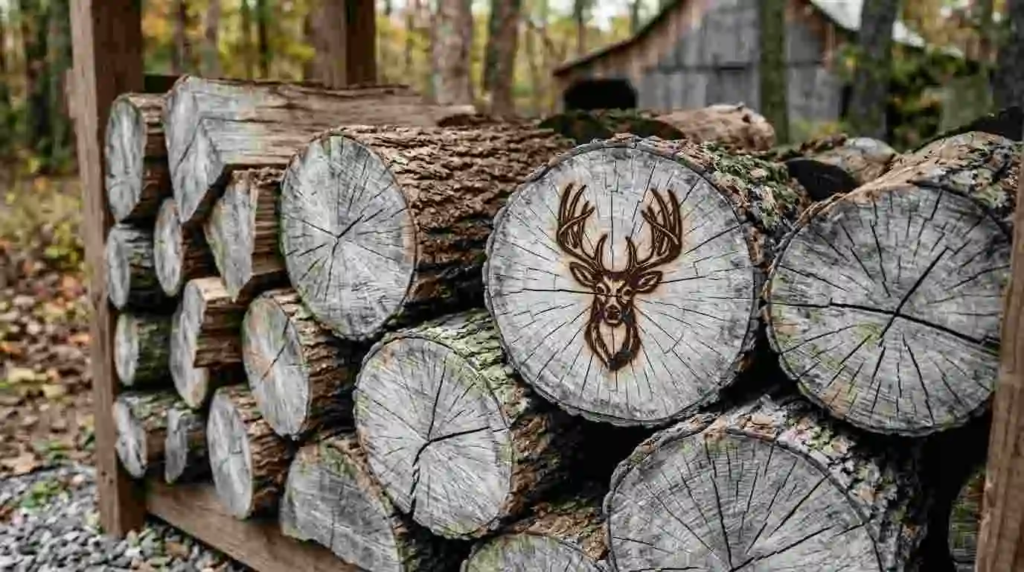
A few practical checks, from most to least reliable:
- Moisture meter reading — Split a log and test the freshly exposed face; below roughly 20% is the general target for efficient burning.
- Weight — Dry wood is noticeably lighter than green wood of the same size.
- Sound — Two dry logs knocked together tend to produce a sharper, more hollow-sounding knock than the dull thud of wet wood.
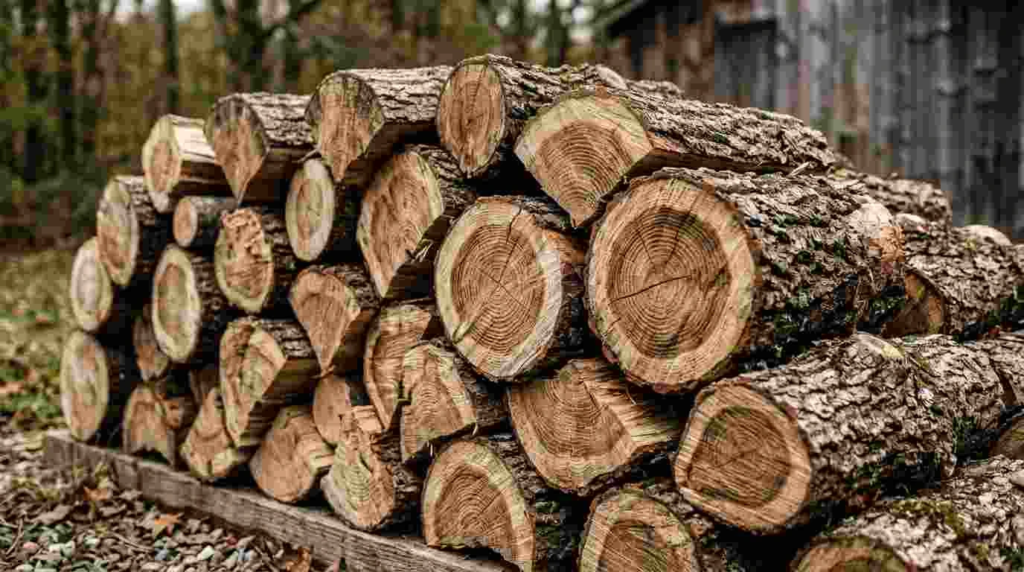
- Color and cracking — Dry wood often shows visible cracks (checking) radiating from the end grain and a grayer, weathered appearance on cut ends.
- Bark — Bark on well-dried wood is often looser and easier to peel away than on green wood.
None of these visual or auditory checks is as reliable as an actual moisture meter reading, but together they give a reasonable read on wood you can’t test directly, such as at a store display.
What to Look for When Choosing Kiln Dried Firewood
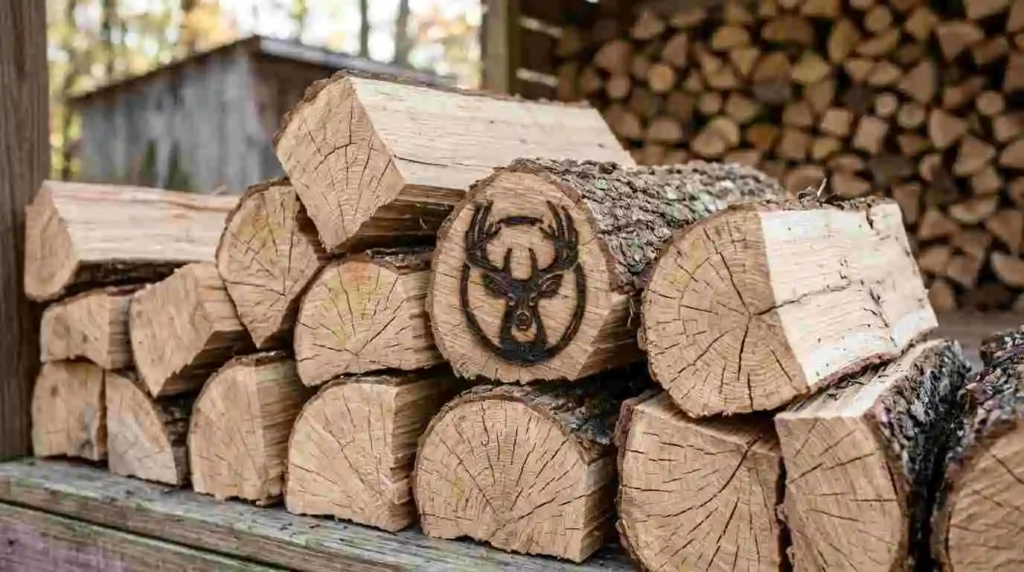
Whether you’re evaluating kiln dried firewood from any supplier, a few criteria separate wood that’s genuinely well-dried from wood that’s simply labeled that way:
- A clearly stated moisture target, ideally with evidence it’s actually tested rather than just claimed
- Species information — knowing whether you’re getting oak, maple, mixed hardwood, or something else affects burn time and heat output
- Consistent splitting and sizing, which affects how evenly wood dries and burns
- Clean, untreated wood, free of paint, chemical treatment, or contamination — especially important for cooking use
- Transparent measurement terms, since “cord,” “face cord,” “rick,” and “bundle” can mean different volumes depending on the seller
- Storage conditions at the point of sale — wood stored properly right up until delivery is more likely to arrive at the moisture level advertised.
Frequently Asked Questions
What is kiln dried firewood?
Firewood that’s been dried in a controlled-heat kiln rather than air-dried outdoors, typically reducing moisture content below roughly 20% faster and more evenly than natural seasoning.
Is kiln dried firewood better than seasoned firewood?
For indoor use — fireplaces and wood stoves — kiln dried firewood is generally more dependable because of its consistent, verified moisture content. For outdoor fire pits and casual bonfires, well-seasoned firewood performs well and typically costs less.
What moisture content should firewood have?
Most fireplace and wood stove manufacturers recommend firewood at or below roughly 20% moisture content for efficient, cleaner combustion. A pin-style moisture meter on a freshly split face is the most accurate way to check.
Does kiln dried firewood burn hotter?
It tends to produce more usable heat than wetter wood of the same species, since less energy is spent evaporating trapped moisture — but heat output is also strongly influenced by wood species and density.
Does kiln dried firewood produce less smoke?
Yes, generally. Lower moisture content is one of the biggest factors in reducing smoke production, since wet wood produces heavier smoke as trapped moisture escapes during combustion.
Is kiln dried firewood good for a fireplace?
Yes — it’s one of the more reliable options for indoor fireplaces, since low, consistent moisture reduces both smoke and creosote buildup in the flue.
Can kiln dried firewood be used in a wood stove?
Yes. Dense, dry hardwood like kiln dried oak works well for wood stove heating, supporting steady, efficient combustion.
Can kiln dried firewood be used in a fire pit?
Yes, and it lights quickly with less smoke — though for casual outdoor fires, seasoned firewood is often a good, lower-cost alternative.
How should kiln dried firewood be stored?
Off the ground, with the top covered and the sides left open for airflow. Avoid fully wrapping a stack in a tarp, which traps moisture against the wood.
Can kiln dried firewood get wet?
Yes — exposure to rain or high humidity can raise its moisture content back up over time, which is why ventilated, top-covered storage matters even after the wood arrives dry.
Which wood is best for long-lasting fires?
Dense hardwoods like oak and hickory generally burn longer and produce a more lasting coal bed than lighter woods like birch.
How can I tell if firewood is dry enough to burn?
A moisture meter reading on a freshly split face is the most reliable method. Lighter weight, a hollow knocking sound between logs, and visible end-grain cracking are useful secondary indicators.